Three Product Categories, Different Operating Needs
Businesses in offices, workshops, and mining operations depend on reliable supplies to keep work moving. Printer toner cartridges, mill rollers, and chromium serve very different purposes, but each affects productivity, maintenance planning, and operating costs. Understanding what to specify before purchasing can help buyers compare options and avoid preventable delays.
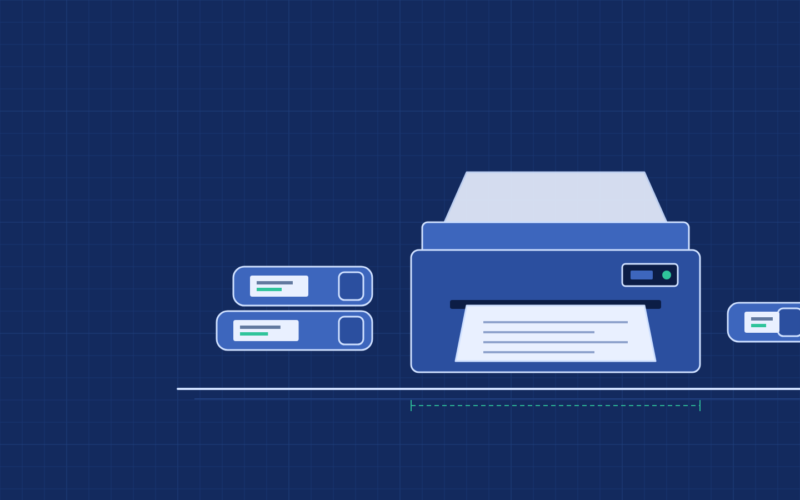
For printing, cartridge compatibility is the first consideration. Buyers should confirm the printer make and model, expected page volume, and whether an original or compatible cartridge meets their quality and warranty requirements. Clear product identification helps reduce ordering errors and makes it easier to plan replacements before supplies run out.
Industrial Components and Material Specifications
Mining equipment components require attention to working conditions. Mill rollers are exposed to demanding loads and wear, so purchasers should check dimensions, material properties, equipment compatibility, and expected service life. Sharing drawings or model details with a supplier can support accurate matching and reduce the risk of receiving a component that does not fit the mill.
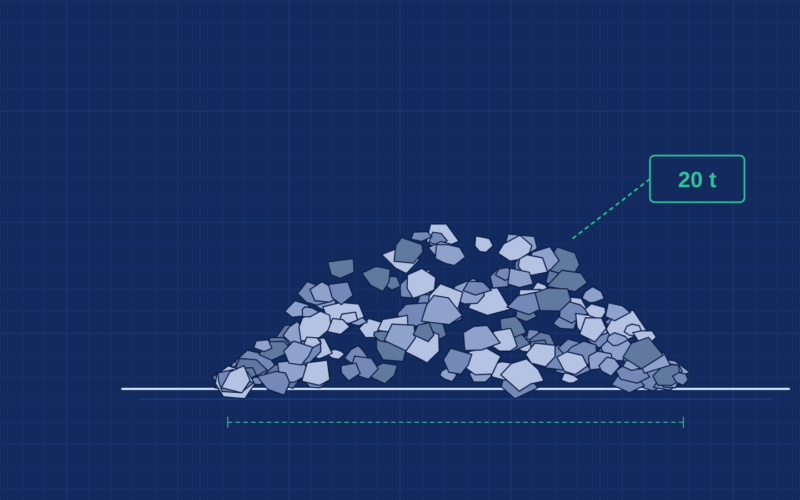
Chromium is used in steelmaking to improve hardness and wear resistance. The appropriate grade and quantity depend on the intended alloy and production process. Buyers should request relevant specifications and documentation, then coordinate with technical teams to ensure the material is suitable for the application.
Planning Supply and Delivery
Across all three categories, dependable supply begins with clear requirements. Product codes, technical data, order quantities, delivery destinations, and timing expectations should be confirmed early. For specialized industrial goods, lead times and transport arrangements may vary, so buyers benefit from discussing availability and shipment details before placing an order.
A practical supplier relationship also includes straightforward communication when specifications change or stock is limited. Keep purchase records, confirm substitutions in writing, and ask how issues such as damaged goods or incorrect parts are handled. These steps help procurement teams balance cost with continuity of supply.
Staying Informed
Product updates, changes in availability, and industry developments can influence purchasing decisions. Reviewing supplier announcements and checking specifications at the time of each order helps organizations adapt, whether replenishing office toner or sourcing components and materials for demanding industrial work.